You may not be Jewish, but you probably have something, whether faith, gender, sexual orientation, or another characteristic, that some countries do not like. It is easy, as long as you are not part of the targeted group, to skip those places on your journeys. But what about countries that today celebrate progressive values while still carrying the weight of a terrible history?

Matt and I recently visited Vienna, and I am not going to lie, I struggled. Sure, staying at the Rosewood was effortless and fabulous, but what about the history that lingers beneath the surface? Jews in Austria endured centuries of persecution long before the Holocaust, from medieval expulsions and forced conversions to restrictions on where they could live and what professions they could hold. Under the Habsburgs, antisemitic decrees barred Jewish people from many rights, and periodic waves of violence reinforced their marginalization. This long history of exclusion and hostility laid the groundwork for the extreme brutality that followed the Nazi takeover in 1938, culminating in mass deportations and genocide.
That is the history teacher in me coming out, but here is why it mattered on this trip. Austria today has embraced far more progressive values, yet it is hard to reconcile that with the fact that, for most of its past, the treatment of Jews oscillated between discrimination and outright destruction. Which begs the question: how should we approach traveling to countries with such difficult histories?
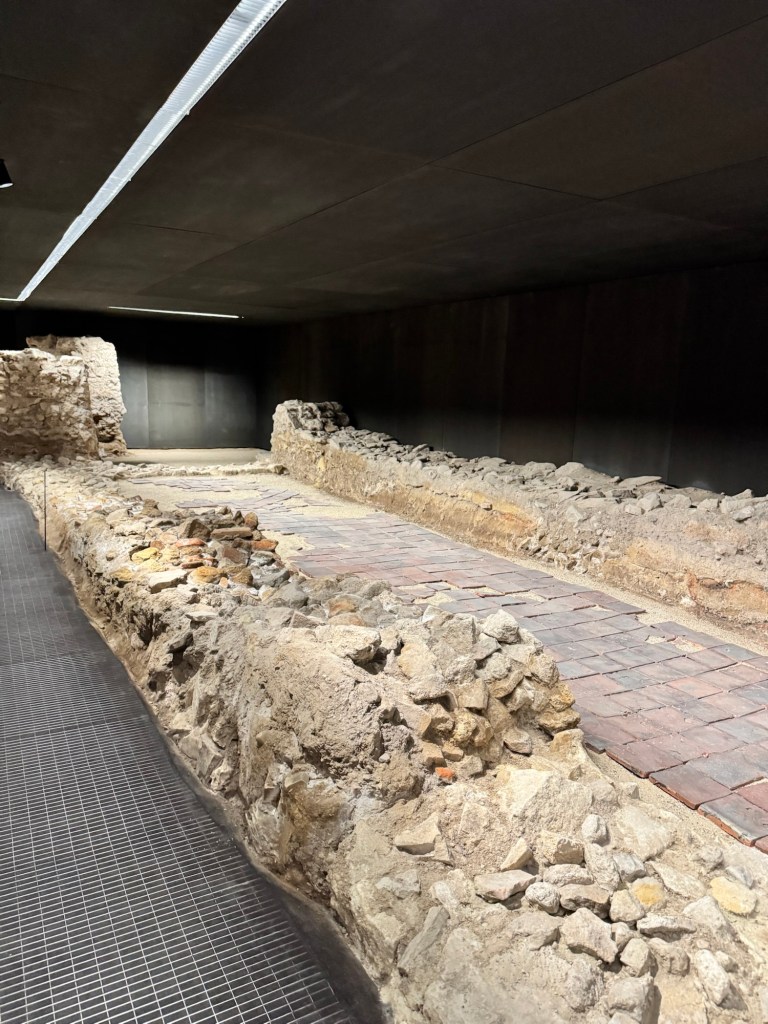
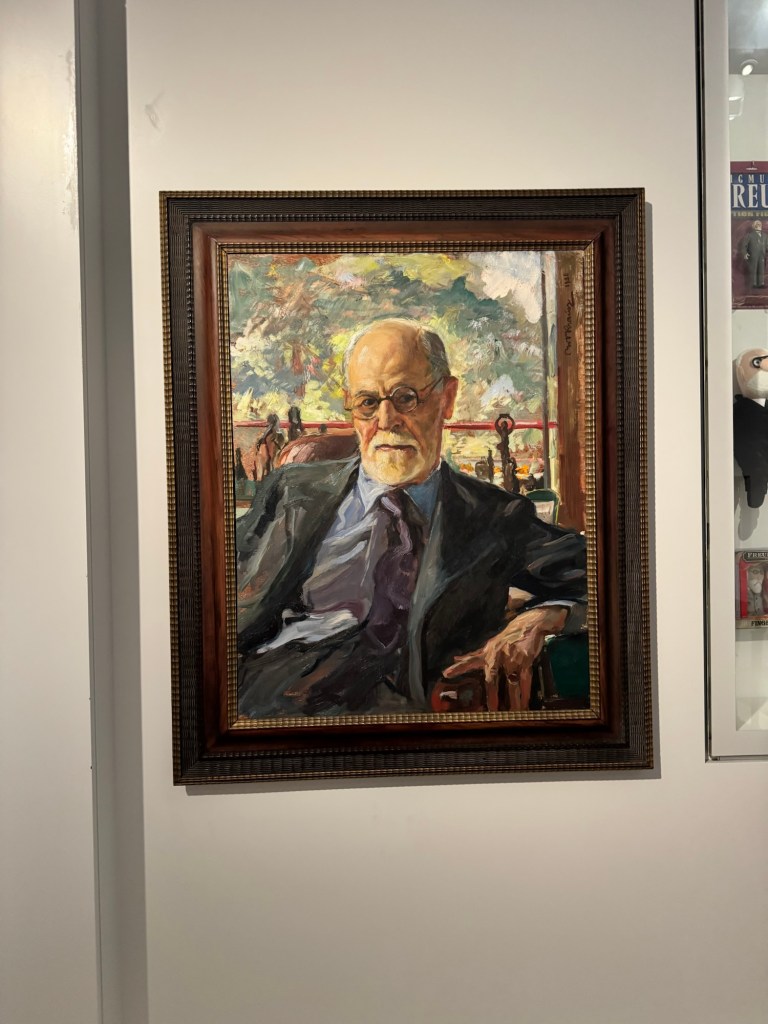
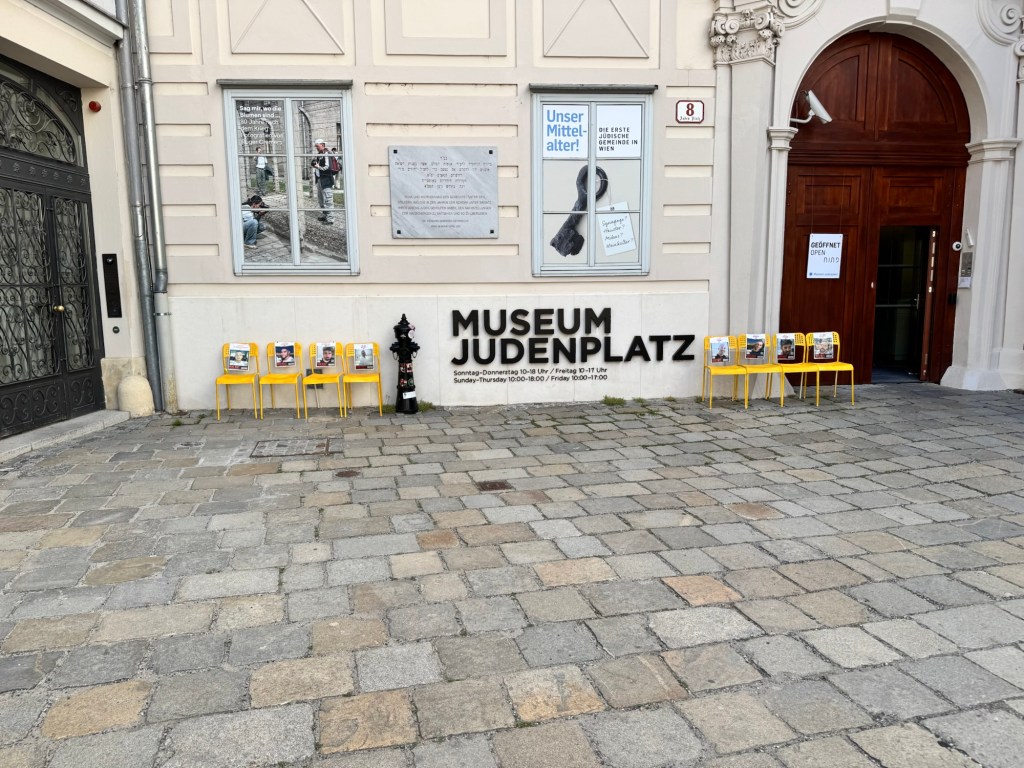
For me, the answer was to be strategic. I skipped the famous museums on every tourist list, like the Belvedere with its celebrated Klimt and history of looted art, the Leopold with its long-running restitution battles, and the Kunsthistorisches where questions about stolen collections still linger. Instead, I went to places that told a fuller story. I spent time in both of Vienna’s Jewish museums, walking through exhibits that did not shy away from the hard truths. And when the heaviness started to settle in, Matt and I leaned into beauty. We spent an evening at a concert, letting the music wash over us, reminding me that Vienna is more than its past but never separate from it.
So how do I approach traveling to countries with complicated or even painful histories? These are the strategies that help me make sense of it:
How I Approach Traveling to Places With Difficult Histories
- Preparation matters. Learning the history ahead of time gives context and helps me see beyond the glossy tourist version.
- Being intentional with choices. Not every “must-see” is worth my time, especially if it profits from stolen history or glosses over the past.
- Seeking out honest spaces. Places like Jewish museums or memorials tell the stories that often get pushed aside.
- Finding balance. After heavy days, music, art, or beauty keeps the trip from feeling overwhelming.
- Spending money thoughtfully. Supporting businesses and experiences that honor heritage feels like a small way to push back against erasure.
- Keeping the conversation alive. Talking through what I learn with Matt, and later with friends, keeps memory and awareness in circulation.
- Allowing room for conflict. Travel is not always simple. Sometimes it means holding both admiration for a place and discomfort with its past.
In the end, that is how I made peace with Vienna. The city gave me world-class music and stunning architecture, but it also asked me to sit with centuries of pain and loss. By being intentional about where I went and how I engaged, I could appreciate the beauty without pretending the past never happened. That balance is not perfect, but it is honest, and for me, that felt like the right way to travel. Of course, staying at the Rosewood, wrapped in a little luxury, certainly did not hurt either.


 Out And Abroad Luxury Travel
Leave a comment